
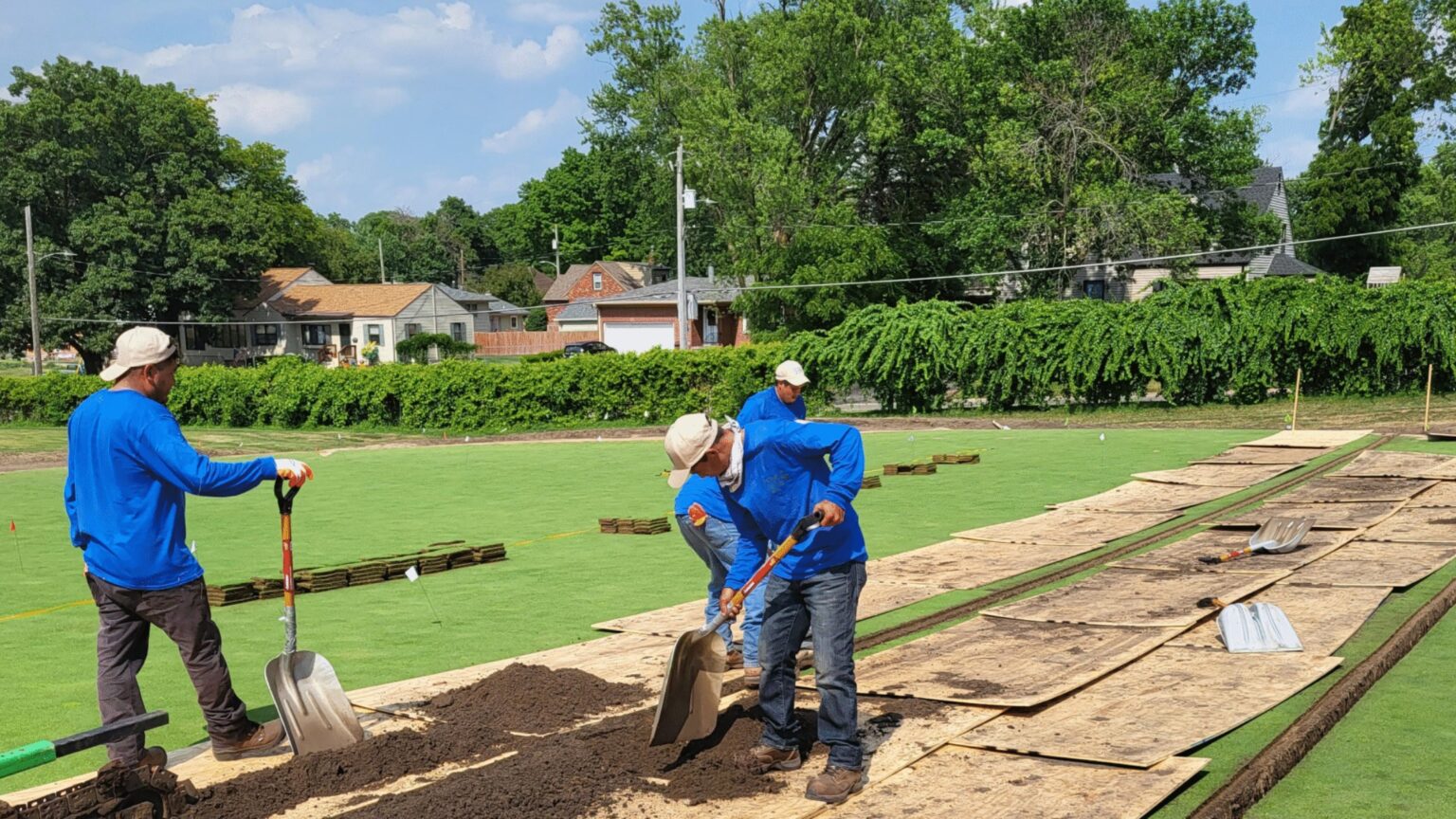
Golf Course Turf Renovation for Thin, Tired and Wet Turf
Turf renovation brings back fairways, tees and green surrounds that won't recover on their own. Turf Rehab finds out why the turf failed and fixes the drainage and grading problems underneath, so new turf has ground it can survive on, on a schedule built around your golf calendar.
Renovation
Signs Your Turf Needs Renovation, Not More Fertilizer
Every superintendent has a few areas that never look right no matter how much seed, fertilizer or water goes into them. When the same turf thins out every summer and doesn't come back after heavy traffic, the problem is usually below the grass. Turf renovation goes after that cause instead of treating the symptoms one more season.
These are the conditions we see most often on golf courses that need renovation:
- Thin, patchy turf that doesn't recover after summer stress or heavy play
- Soil compaction and poor drainage that leave wet spots and spongy fairways
- Aged rootzones with organic matter buildup in the top 1 to 2 inches
- Shade from trees that have grown in over the years, plus poor air movement
- Irrigation that doesn't cover evenly, leaving some areas wet and others dry
- Heavy cart traffic and worn walk-on and walk-off areas around greens and tees
Most worn areas have more than one of these going on. A shady fairway corner with poor air movement also tends to stay wet, and wet turf wears faster under carts. So we look at the whole area before recommending anything.
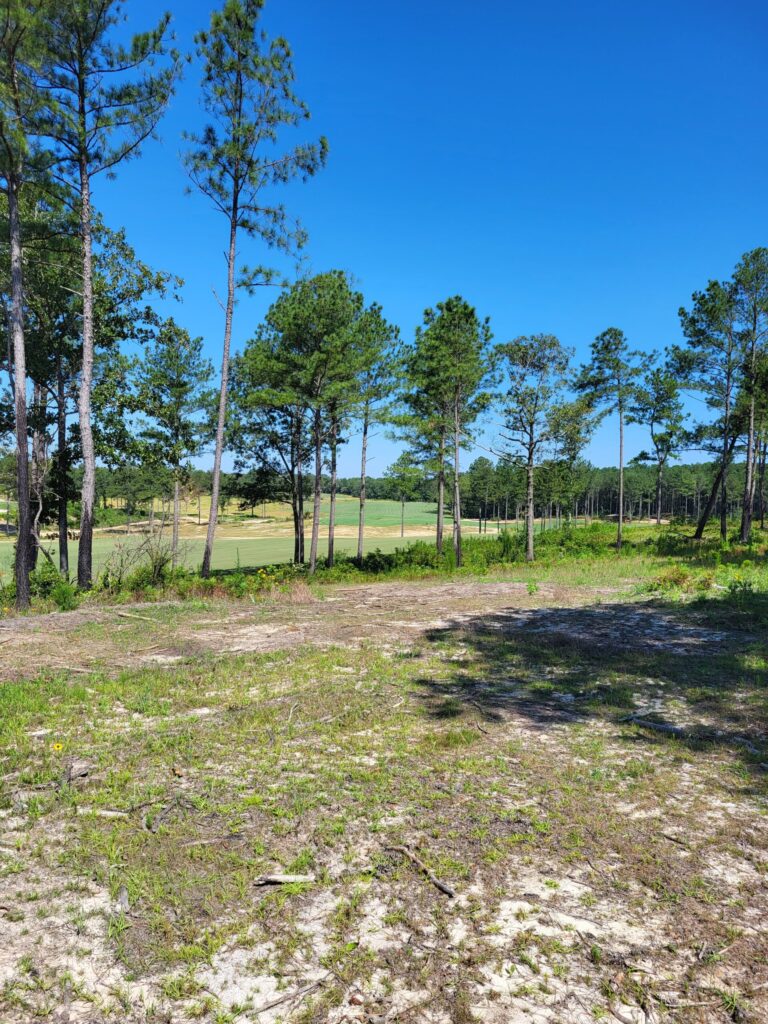
Our Turf Renovation Services
Most failing turf comes back to the ground it grows in: water that can't get out of the soil, or a surface that doesn't shed it. That's the part of renovation we handle.
Grading So Water Sheds
Small grading errors create pockets where water collects. During renovation we can rework surface grades so water sheds off the turf instead of sitting in it. This is especially useful on tees, approaches and low areas next to cart paths.
Drainage Built Into the Renovation
If wet soil killed the turf, new turf on that soil won't last. We tie drainage upgrades directly into renovation work, installing or improving subsurface drainage in fairways and low areas before the new turf goes down. At The Tree Farm in South Carolina, 2-inch drainage in the fairways turned the wettest areas into the driest. You can read more about the systems we install on our golf course drainage page.
Fixing Shade, Traffic and Irrigation Problems During Renovation
Drainage is the most common cause of failing turf, but it isn't the only one. If the turf thinned out because of shade, traffic or irrigation, those problems need attention during renovation too, or the new turf will thin out the same way.
Shade from encroaching trees is a slow problem. Trees that were small when the course opened now block morning sun and cut off air movement across greens, tees and fairway corners. Turf in those spots stays wet longer, grows weaker and picks up more disease. During evaluation we note where shade and still air are part of the cause, so your club can plan tree work alongside the renovation.
Traffic is another. Carts follow the same lines on and off paths, and golfers walk on and off greens and tees in the same few spots. Those walk-on and walk-off areas wear down no matter how good the turf is. We look at where traffic concentrates and use grading and drainage to make those areas tougher, and we talk with your superintendent about spreading traffic out once the turf is back.
Irrigation non-uniformity shows up as turf that's too wet in one spot and too dry a few yards away. Renovation is a good time to fix head spacing, coverage and drainage together, since the ground is already open. We coordinate drainage lines with irrigation so the two systems don't conflict.
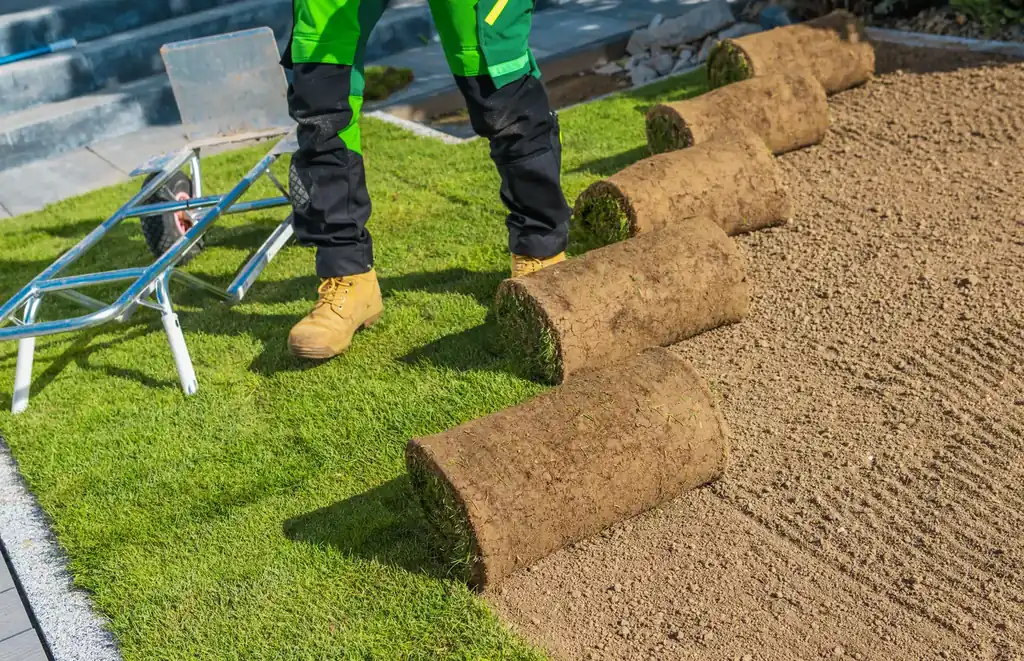
Fairway Renovation and Golf Course Renovation Projects
Turf renovation can be one fairway corner or a full course. Fairway renovation is a common starting point: wet, thin landing areas that need drainage and regrading before new turf can hold. We also renovate green complexes and surrounds, tees and walk-on areas, and the rough around cart paths.
Golf course renovation often includes removing or changing features. Our crew handles turf removal, grassing and sod work, and bunker removal. At North Shore Country Club in Wisconsin, we completed a bunker removal project on a timeline that weather cut short. Superintendent Joel Larsen said the work was precisely planned and executed.
Phasing makes larger golf course renovation projects manageable. A club might renovate the worst three fairways in the first fall, the green surrounds and walk-off areas the next spring, and the remaining holes the following season. Each phase gets its own grow-in plan, and holes come back into play as each phase matures.
When renovation includes rebuilding features, we handle that too through bunker construction and renovation, tee construction and leveling and golf green construction.
Our process
How a Turf Renovation Project Runs
Renovation goes best when everyone knows the plan, the timeline and what the course will look like during grow-in. Here's how we run it.
Evaluation
We walk the property with you and review chronic wet spots and worn zones. We pull soil profiles and map how water moves over and under the turf. This tells us whether the main problem is drainage, compaction, organic buildup, shade, traffic or irrigation, so the renovation targets the right one.
A Plan That Fits Your Schedule and Budget
Next we turn the findings into phases and a budget, with the worst areas first. You get clear timelines and a realistic grow-in plan, and you'll know which areas will be out of play and for how long.
Renovation Work
Our crew handles the drainage, grading and turf removal with equipment set up for golf courses. We schedule around your golf calendar and adjust quickly when severe weather moves the dates.
Grow-In
New turf needs time and the right care to establish. We give your superintendent a grow-in plan covering when to start mowing, when traffic can come back and what to watch for.
Turf Renovation for Athletic Fields
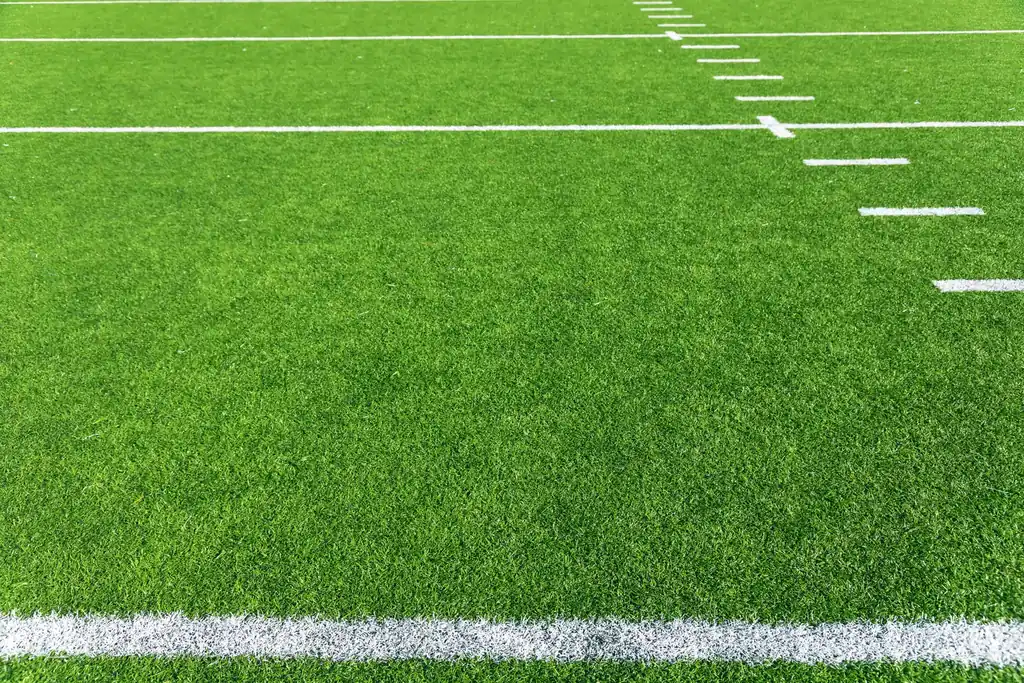
The same renovation methods work on natural grass athletic fields: worn goal mouths, the area between the hashes, thin outfields and compacted sidelines. Fields deal with many of the same causes as golf turf: compaction, organic buildup, poor drainage and concentrated traffic. The big difference is the calendar. Fields have seasons, tournaments and practices stacked on top of each other, and the windows for renovation are short. Footing safety also matters more, since thin or uneven turf on a field puts athletes at risk.
Field renovation has its own needs around game schedules and safety, so we cover it in detail on our sports field renovation page.
FAQs
Questions we hear most
Turf renovation is fixing the problems behind thin or failing turf so healthy grass can come back. Our part is the drainage and grading underneath, which is where most failing turf starts.
Get in touch
Plan Your Turf Renovation
Tell us where your turf struggles and what you've already tried. Photos of thin areas, wet spots or soil conditions help us prepare for the first walk-through. We answer every request within 24 hours, and you can call any day from 8 AM to 6 PM at (518) 321-0630.
Location11 Ave A, Cambridge, NY 12816
Phone, every day 8 AM to 6 PM(518) 321-0630